
How Much Does It Cost to Run a Treadmill in Australia? (2026)

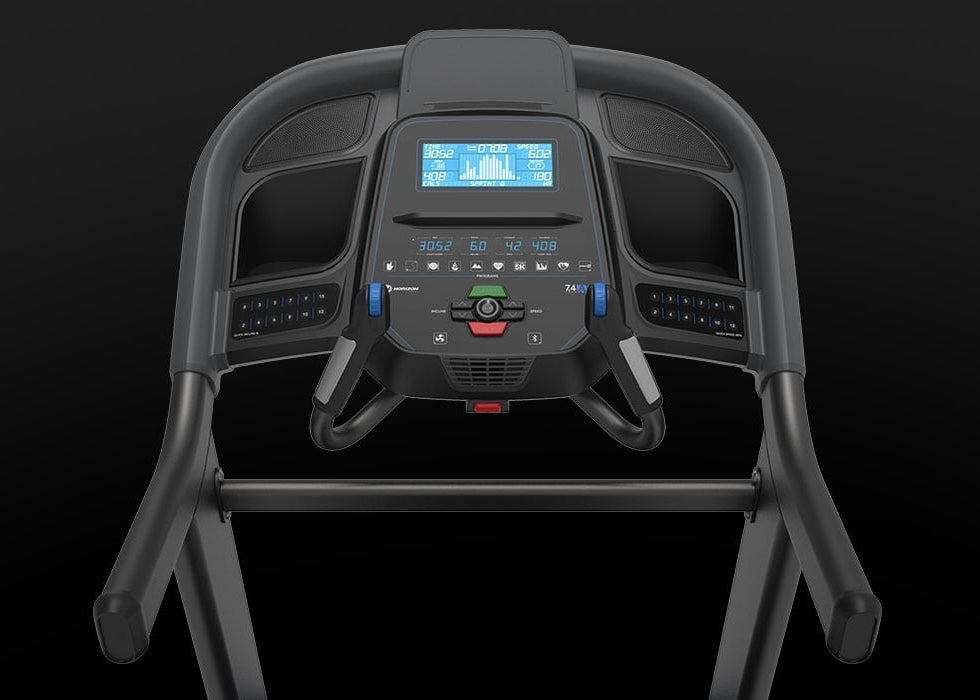
The cost to run a treadmill worries a lot of first-time buyers more than it should. Between rising electricity prices and the size of the machine itself, it’s a fair question to ask before you commit to one — but the real answer, once you do the maths on actual Brisbane electricity rates, is that a treadmill is one of the cheapest pieces of home cardio equipment to run.
This guide breaks down exactly what a treadmill costs to run per hour, per week, and per month, using real Australian electricity pricing and real motor power figures — not vague “it depends” answers.
Running a home treadmill typically costs $0.15–$0.40 per hour in Brisbane, depending on speed and incline — around $2–$6 a month for a realistic 4-sessions-a-week routine.
How Much Power a Treadmill Actually Uses
Treadmill motors are rated in continuous horsepower (CHP) — typically 2.0-3.0 CHP for home models and 3.0-4.0 CHP for commercial-grade machines, a range we cover in more detail in our commercial vs home treadmill guide. That rating is the motor’s maximum capacity, not what it actually draws during a normal session — real-world power use is much lower and varies a lot with speed and incline.
In practice, most home treadmills draw somewhere between 90W at a slow walk and 700-900W at higher speeds or steep incline, with a typical moderate walk or jog session sitting around 500-700W. Fully-loaded commercial machines with incline, fans, and large touchscreens running simultaneously can push past 1,000-1,200W at peak effort.
For comparison, that upper range is roughly in line with a hair dryer or a small space heater on a low setting — genuinely modest household power draw, and nowhere near what larger fixed appliances like ducted air conditioning or an electric hot water system use over the same period.
Brisbane Electricity Prices in 2026
To work out the real cost to run a treadmill, you need a real electricity rate — not a guess. According to Canstar’s 2026 electricity price data, Brisbane households on standard flat-rate plans in the Energex network typically pay around 29-34 cents per kWh, with the current average sitting close to 34c/kWh once daily supply charges are factored into overall usage.
We’ve used 34c/kWh for the calculations below — if your own plan is cheaper, your actual cost to run a treadmill will be lower than these figures. If you’re on a time-of-use plan with cheaper off-peak rates, running your sessions outside peak hours (typically weekday afternoons and early evenings) can shave a small amount off the total, though for a machine this cheap to run overall, it’s a minor optimisation rather than a significant saving.
It’s also worth checking your own bill rather than relying purely on averages — Brisbane rates genuinely do vary by retailer and plan type, and the gap between the cheapest and most expensive plans on the market can be larger than the entire cost of running a treadmill for a year.
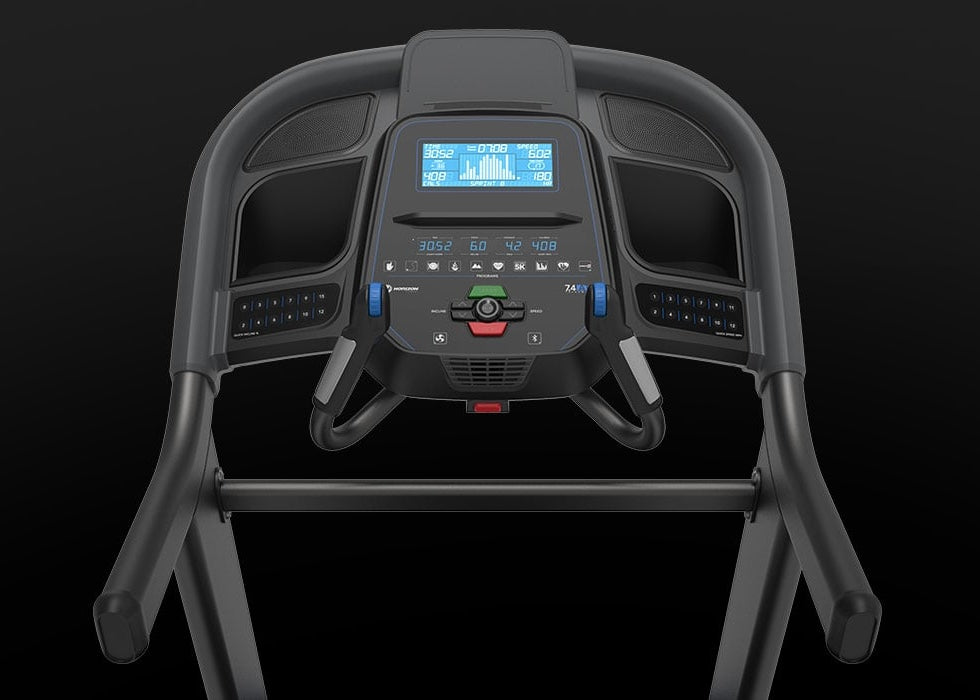
Cost to Run a Treadmill — By the Numbers
Here’s what a one-hour session actually costs at 34c/kWh, across a realistic range of power draw:
| Session Type | Typical Power Draw | Cost Per Hour |
|---|---|---|
| Slow walk (3-4 km/h, flat) | ~100-150W | $0.03 – $0.05 |
| Brisk walk (5-6 km/h, light incline) | ~400-600W | $0.14 – $0.20 |
| Jog / moderate run | ~600-900W | $0.20 – $0.31 |
| Fast run or steep incline | ~900-1,200W | $0.31 – $0.41 |
| Commercial-grade, full features | ~1,200-1,500W | $0.41 – $0.51 |
Even at the high end, the cost to run a treadmill for a full hour rarely breaks 50 cents — comparable to leaving a couple of light bulbs on, not the “expensive appliance” reputation treadmills sometimes get.
Monthly and Yearly Cost
For a realistic routine — 4 sessions a week, 30-45 minutes each, mostly moderate effort — the real cost to run a treadmill works out to genuinely small numbers:
| Usage | Estimated Monthly Cost | Estimated Yearly Cost |
|---|---|---|
| Light (2x/week, 30 min) | ~$1.50 – $2.50 | ~$18 – $30 |
| Moderate (4x/week, 30-45 min) | ~$4 – $7 | ~$48 – $84 |
| Heavy (daily, 45-60 min) | ~$9 – $15 | ~$108 – $180 |
For most households, running a treadmill costs less per year than a single takeaway dinner a month — it’s rarely the electricity that makes or breaks the decision to buy one, especially if you’re following a structured routine like our treadmill workout for weight loss plan rather than long, high-intensity daily sessions. Compare that to the ongoing cost of a gym membership, and the running cost of an at-home treadmill starts to look like one of the cheapest parts of the entire fitness equation, well behind the purchase price itself in terms of what actually shapes the total cost of ownership over a few years.
What Actually Changes the Cost
Speed. Power draw rises roughly in line with speed — doubling your pace can roughly double or triple the wattage, since the motor works harder to maintain belt speed under your body weight.
Incline. Motorised incline draws meaningfully more power than a flat deck, especially while actively adjusting — though the difference during a steady incline walk is smaller than most people expect.
Motor size and age. Larger commercial-grade motors draw more baseline power even at rest, and older, less efficient motors can run less efficiently than modern equivalents at the same output.
Extra features. Built-in fans, large touchscreens, speakers, and heart rate monitors all add a small amount of continuous draw on top of the motor itself — rarely significant, but not zero.
Your body weight. Heavier users mean the motor works slightly harder to maintain belt speed, which nudges power draw up a little — not enough to meaningfully change the overall cost picture, but a real factor among several rather than the single biggest one.
A Real Example: One Week of Sessions
Numbers land better with a concrete example. Say you’re running 4 sessions a week, 35 minutes each, mostly brisk walking with some incline — a realistic routine for someone following a structured plan rather than daily high-intensity training. At roughly 500W average power draw and 34c/kWh:
35 minutes is just over half an hour, so each session uses roughly 0.29 kWh — call it $0.10 per session. Four sessions a week comes to about $0.40 a week, or roughly $1.70 a month. Even doubling that estimate to account for higher-intensity days still lands well under $4 a month. The cost to run a treadmill at this kind of realistic usage level is genuinely a rounding error in most household budgets.
Why Treadmills Get an Unfair “Expensive to Run” Reputation
Part of the confusion comes from conflating the machine’s price with its running cost — a $3,000+ commercial-grade treadmill feels like it should cost more to operate, but the electricity cost difference between a $700 entry-level model and a premium commercial one is small in absolute terms, even though the purchase price gap is large. The other source of confusion is treating the motor’s rated CHP as if it’s constantly drawing that much power — it isn’t. A 3.0 CHP motor is rated for its maximum sustained output, not what it pulls during a normal walk or jog.
How It Compares to Other Home Cardio Equipment
Treadmills sit roughly in the middle of the home cardio equipment pack for running cost. Manual and magnetic-resistance exercise bikes typically use less power than a treadmill, since there’s no motor driving movement — you’re the resistance. Motorised equipment like ellipticals with power incline, or vibration machines, land in a similar range to a treadmill, since they’re also drawing continuous motor power rather than relying purely on manual effort.
If running cost specifically is a deciding factor between formats, our exercise bike vs treadmill comparison covers the broader tradeoffs beyond just electricity. In nearly every case, though, the difference in running cost between formats is small enough that comfort, space, and which one you’ll actually use consistently should carry far more weight in the decision than a few cents per session either way.
How to Keep Running Costs Down
The cost to run a treadmill is already low, but a few habits keep it genuinely minimal. Turning the console off (not just leaving it on standby) between sessions avoids small continuous draw some models have. Keeping the belt properly lubricated — see our belt lubrication guide — reduces friction the motor has to work against, which modestly improves efficiency. And booking a regular service through our treadmill servicing team keeps the motor running at its intended efficiency rather than compensating for wear.
If you’re still deciding on a machine and running cost is genuinely a factor, browsing our full treadmill range lets you compare motor sizes directly — smaller home-focused motors generally cost less to run than commercial-grade ones, without much practical difference for most home users. If buying isn’t the right step yet, our treadmill hire service is a genuinely useful way to test real running costs on your own power bill before committing to a purchase — a few weeks of hire tells you far more about actual usage than any estimate can.
Cost to Run a Treadmill — FAQ
Is a treadmill expensive to run in Australia?
No. The cost to run a treadmill is typically $0.15-$0.40 per hour in Brisbane, which adds up to only a few dollars a month for a realistic exercise routine.
Does incline increase the cost to run a treadmill significantly?
It increases it somewhat, but not dramatically for a steady incline walk — the bigger cost driver is overall speed rather than incline alone.
Do commercial treadmills cost more to run than home models?
Yes, generally — larger motors and extra features (fans, large screens) draw more power, though the difference is still small in absolute dollar terms.
Does leaving a treadmill plugged in cost money when not in use?
Some models draw a small amount of standby power when plugged in but not switched on. It’s minor, but switching off at the wall between sessions avoids it entirely.
Is an exercise bike cheaper to run than a treadmill?
Manual and magnetic resistance bikes generally use less electricity than a treadmill, since there’s no motor driving movement — your own effort provides the resistance.
Does an old treadmill cost more to run than a new one?
It can, if the motor has become less efficient with wear or the belt needs lubrication — regular servicing helps keep running costs close to what a well-maintained machine should use.
What electricity rate should I use to estimate my own cost?
Check your latest power bill for your actual usage rate in c/kWh — Brisbane households typically sit between 29-34c/kWh, but your specific plan may differ from the average.
Is the cost to run a treadmill a good reason not to buy one?
Rarely. At a few dollars a month for realistic usage, running cost is one of the smallest factors in the overall decision compared to purchase price, space, and whether you’ll actually use it consistently.


