
How to Buy Second Hand Gym Equipment in Brisbane

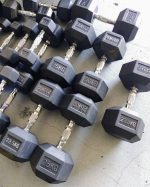
How to buy second hand gym equipment without ending up with a treadmill that dies in six months or a bike that squeaks louder than it spins? It’s a fair question — used fitness gear can be a genuinely smart way to build a home gym on a budget, but only if you know what to check before you hand over any cash. This guide walks through exactly how to buy second hand gym equipment safely in Brisbane, from what to inspect in person to where to actually find equipment that’s been properly looked after.
Why Buy Second Hand Gym Equipment?
The obvious reason is price — quality strength equipment, bikes and accessories can cost half of retail once they’re pre-loved. It’s also a lower-risk way to try a piece of equipment (like a rowing machine or spin bike) before committing to buying it new, and it’s simply a more sustainable option than sending still-functional gear to landfill. Home gym equipment is also one of the more forgiving categories to buy used — unlike, say, electronics, most of what makes a treadmill, bike or rack “work” is mechanical and visible, which means a careful buyer can genuinely tell good condition from bad without specialist tools.
The catch is that “second hand” covers everything from a barely-used machine sold because someone moved house, to a neglected one that’s been sitting in a garage for years — which is exactly why knowing how to buy second hand gym equipment properly matters. Industry checklists for buying used gym equipment generally agree on the same core rule: test everything mechanically before you buy, because cosmetic condition and mechanical condition don’t always match.
As a rough guide, expect to pay somewhere between 40% and 70% of the original retail price for equipment in good used condition, depending on age, brand and how well it’s been maintained. Heavily discounted listings are worth extra scrutiny — a price that looks too good is often a sign the seller already knows something is wrong with it.
How to Buy Second Hand Gym Equipment: What to Check Before You Buy

Whatever you’re buying, inspect it in person if you possibly can. Here’s what to look at depending on the type of equipment:
- Cardio machines (treadmills, bikes, rowers): Turn it on and let it run for a few minutes. Listen for grinding, clicking or belt slipping. Check the console for error codes, and ask when the belt or resistance mechanism was last serviced.
- Strength equipment (racks, benches, cable machines): Check welds and frame joints for cracks or rust, test cables and pulleys for fraying, and sit or lie on benches to check for wobble.
- Free weights (dumbbells, plates, kettlebells): Check rubber or urethane coatings for cracks, and confirm the weight markings match what you’re actually being sold — scales aren’t always handy at a private sale.
- Upholstery and padding: Cracked vinyl or foam that’s gone hard usually means the piece has had heavy sun exposure or years of use, even if the machine itself still works fine.
How to Buy Second Hand Gym Equipment: Questions to Ask the Seller
A few honest questions can tell you more than any listing photo:
- How old is it, and roughly how many hours or sessions has it seen?
- Why are you selling it?
- Has it ever been serviced, and do you have the manual or original packaging?
- Is there any warranty left, and is it transferable to a new owner?
- Has it always been kept indoors, or has it spent time in a garage or shed?
If a seller can’t (or won’t) answer these, treat that as a red flag — not necessarily a dealbreaker, but a reason to inspect extra carefully or negotiate the price down.

Strength equipment — racks, benches, dumbbells, plates — is generally the safest category to buy second hand, precisely because there’s so little that can go mechanically wrong with it. A rack or a set of dumbbells doesn’t have a belt to wear out or a motor to fail; the main things to check are structural (welds, rust, cracked coatings) rather than functional. That’s a big part of why strength gear tends to hold its resale value better than cardio equipment.
Second Hand vs New: When Each Makes Sense
Second hand makes the most sense for equipment you’re not 100% sure you’ll stick with — a rowing machine, a spin bike, or accessories like plates and kettlebells that don’t really “wear out” in a way that affects performance. New makes more sense for big-ticket items you’ll use daily for years, like your main treadmill, where a manufacturer warranty and a known service history matter more. For a closer look at this trade-off specifically for treadmills, read our guide: New vs Used Treadmills for Sale in Brisbane: Which One Should You Buy?
Where to Buy Second Hand Gym Equipment in Brisbane

Marketplace listings and classifieds are the obvious first stop, but condition and honesty vary wildly from one private seller to the next — you’re often buying based on a few photos and a description written by someone with every incentive to downplay the wear and tear. Our Marketplace — Second Hand Gym Equipment Brisbane is the alternative: every piece that comes through Mr Treadmill is checked over before it’s resold, so you’re not relying purely on a stranger’s word for how well it’s been looked after. Current second hand stock includes items like second hand spin bikes, used dumbbells, weight plates and strength accessories — with new pieces added as they come in, so it’s worth checking back regularly if you don’t see what you need straight away.
It’s also worth visiting in person if you’re buying anything sizeable. Photos can hide a lot — a slightly warped treadmill deck, upholstery that’s more worn than it looks under bright listing lights, or a rack that’s just a little too tight a squeeze for your garage. Seeing (and testing) a piece of equipment before you commit is still the single best way to avoid a purchase you regret.
Already Have Old Equipment? Sell or Trade It In
If you’re upgrading rather than buying your first piece of equipment, you don’t have to just bin your old gear. You can sell your used treadmill or fitness equipment to us directly for a free quote and collection across Brisbane, Gold Coast, Sunshine Coast and Toowoomba. Or use our instant Trade-In Estimator to get a value on your old treadmill or exercise bike and put that credit straight towards something new. Not ready to commit to buying at all? You can also hire a treadmill from $16/week and roll a portion of your hire fees towards ownership later if you decide to keep it.
Keep It Running: Servicing Second Hand Equipment
Buying well is only half the job — a second hand machine is only a bargain if you actually maintain it. Even a well-inspected treadmill benefits from a professional check-up once it’s in your home, especially if you don’t know its full service history. Mr Treadmill offers treadmill servicing in Brisbane, in-home or at our Geebung workshop, plus full treadmill repair if something’s already gone wrong with a machine you’ve bought.
Negotiating the Price: What’s Reasonable to Ask For
Once you’ve inspected a piece of equipment, it’s fair to negotiate — but negotiate based on what you actually found, not just because you can. A treadmill with a slightly worn belt but a healthy motor might reasonably come down 10-15%. Missing parts, visible rust on structural components, or a machine that won’t run at all are grounds for a much bigger discount, or walking away entirely. If you’re buying through a business rather than a private seller, ask whether servicing or a short warranty period can be included instead of (or as well as) a lower price — that’s often worth more long-term than an extra $50 off.
Frequently Asked Questions
Is it safe to buy second hand gym equipment?
Yes, as long as you inspect it properly first. Test cardio machines while running, check strength equipment for cracks or fraying cables, and ask the seller directly about age, usage and service history before you buy.
How much can I save by buying second hand gym equipment?
It varies by item and condition, but second hand fitness equipment commonly sells for 30-60% less than the equivalent new price, especially for strength equipment and accessories that don’t degrade in performance the way cardio machines can.
What’s the biggest red flag when buying a used treadmill?
Unusual noise while running, a belt that slips or feels uneven underfoot, and error codes on the console are the three biggest warning signs. If a seller won’t let you actually run the machine before buying, that’s a red flag on its own.
Should I buy second hand gym equipment from a private seller or a retailer?
A private seller can be cheaper, but you’re relying entirely on their honesty about condition and history. Buying through a retailer that inspects equipment before resale — like our Marketplace — costs a little more but removes most of that risk.
Can I trade in my old treadmill instead of selling it privately?
Yes. Our online Trade-In Estimator gives you an instant valuation on your old treadmill or exercise bike, and that value is credited straight towards a new machine — no need to arrange a private sale yourself.
Does second hand gym equipment come with any warranty?
It depends on the seller. Equipment sold through our Marketplace is inspected before resale; always ask specifically what, if anything, is covered before you buy, whether from us or a private seller.
Is strength equipment safer to buy second hand than cardio machines?
Generally, yes. Strength equipment like racks, benches and free weights has fewer moving parts that can fail, so a visual and structural check is usually enough. Cardio machines have motors, belts and electronics that need to actually be tested running, not just looked at.
How do I know if a second hand treadmill’s motor is still good?
Run it for at least five minutes at a moderate speed and incline, listening for grinding, whining or the motor labouring under load. A healthy motor should sound smooth and consistent throughout, without slowing down or struggling as the belt speeds up.
What paperwork should I keep after buying second hand gym equipment?
Keep a copy of the listing or receipt, any messages with the seller confirming age and condition, and the original manual if it’s provided — even a photo of it is useful. If you ever need a part or want to check a service history down the track, having the model number and any documentation on hand saves a lot of guesswork.


