
Vibration Machine vs Treadmill: Which One Actually Burns More Calories?

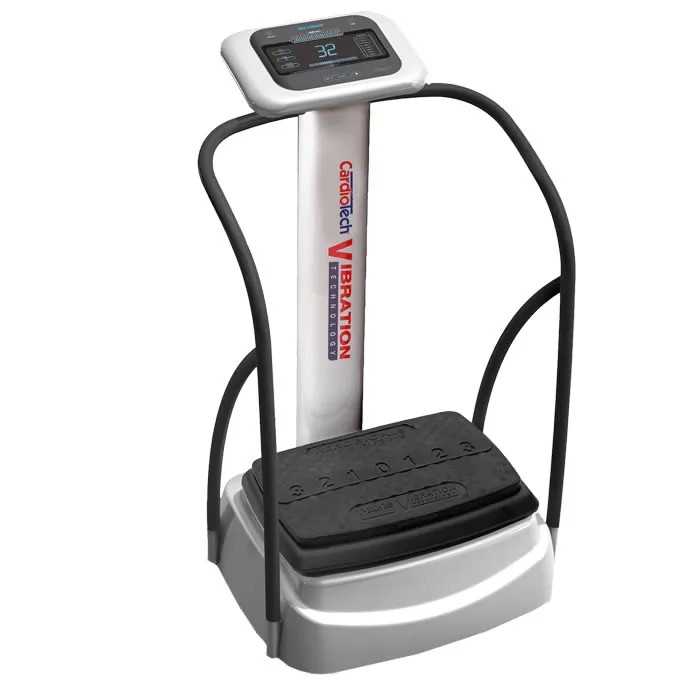
Vibration machine vs treadmill is a comparison that comes up a lot with people who want real cardio results but don’t have much time or space to spare. Both show up in Brisbane home gyms, both get marketed as fat-loss tools, and both are genuinely useful — but they work in very different ways, and one of them burns meaningfully more calories than the other for most people.
This isn’t a case of one being universally “better.” It’s a case of two different tools solving two different problems — and knowing which one actually matches your goal saves you from buying (or hiring) the wrong equipment.
For pure calorie burn, a treadmill wins by a wide margin. A vibration machine is the better pick for joint pain, rehab, or short low-impact sessions layered onto a routine you’re already doing elsewhere.
Vibration Machine vs Treadmill — The Short Answer
For pure calorie burn, a treadmill wins by a wide margin. Walking or jogging on a treadmill is weight-bearing, full-body cardiovascular exercise that keeps your heart rate elevated for the whole session. A vibration machine works differently — it uses mechanical vibration to trigger rapid, reflexive muscle contractions while you stand, sit, or hold positions on the platform, which raises muscle activation and circulation but doesn’t demand the same sustained cardiovascular effort.
That doesn’t make vibration machines pointless. They’re genuinely useful for people who can’t tolerate treadmill impact — think joint pain, recovery from injury, or limited mobility — and for short, low-effort sessions layered on top of a normal routine rather than replacing cardio entirely.
| Factor | Vibration Machine | Treadmill |
|---|---|---|
| Calorie burn per session | Lower — muscle activation, not sustained cardio | Higher — sustained heart-rate elevation |
| Joint impact | Very low — most machines are low-impact by design | Low to moderate — adjustable via incline/speed, still weight-bearing |
| Session length needed | 10-15 min typical | 20-40 min typical |
| Cardiovascular fitness benefit | Minimal | Significant, well-established |
| Space required | Small footprint, easy to store | Larger footprint, folding models help |
| Good for beginners with joint concerns | Yes — often the safer starting point | Yes, with incline-first programming |
| Typical price (new) | From around $1,900 | From under $1,000 for entry models |
How a Vibration Machine Actually Works
A vibration machine uses a motorised platform that oscillates rapidly — usually somewhere between 20 and 50 times per second, depending on the model and setting. Standing, sitting, or holding a position on that platform forces your muscles into rapid, reflexive contractions as they work to stabilise your body against the movement. That’s the entire mechanism: no belt to walk on, no sustained movement pattern, just your muscles reacting to the platform dozens of times a second.
This is fundamentally different from how a treadmill raises your heart rate. A treadmill demands continuous, weight-bearing movement over time — your cardiovascular system has to keep supplying oxygen to working muscles for the full duration of the session. A vibration machine’s demand is much shorter and more localised, which is exactly why the two produce such different calorie-burn and fitness outcomes despite both being marketed under the broader “home cardio equipment” umbrella.
Common Vibration Machine vs Treadmill Myths
A few claims come up repeatedly in vibration machine marketing that are worth addressing directly, since they shape a lot of the vibration machine vs treadmill decision people make.
“10 minutes on a vibration machine equals an hour of cardio.” This isn’t supported by the research. Vibration training has real benefits, but they’re different benefits to sustained cardio, not a compressed, faster version of the same thing.
“Vibration machines target fat loss in specific areas.” Spot reduction isn’t how fat loss works on any piece of equipment, vibration platform or otherwise — overall energy balance drives fat loss, not which muscles are being activated in a given session.
“Treadmills are always harder on your joints.” Impact is largely a function of speed, incline, and running vs walking, not an inherent property of treadmills. A walking-based, incline-first program (like the kind we cover in our treadmill buying guide) is genuinely low-impact for most people.
Who Should Be Cautious With Each
Vibration machines aren’t universally suitable — people with certain conditions, including some heart conditions, recent surgery, pregnancy, or specific joint implants, should check with a doctor before using one, since the mechanical vibration itself is the variable that needs medical clearance in those cases. Treadmills carry their own caution list: anyone with significant balance issues, uncontrolled cardiovascular conditions, or acute lower-body injuries should get medical guidance before starting a walking or running program, and should generally start at a slower pace than they expect to need.
In both cases, starting conservatively and building up — rather than pushing hard in the first session — is the safer approach regardless of which machine you choose.
What the Research Actually Says About Vibration Machines
Whole-body vibration has a real body of clinical research behind it, but it’s more nuanced than most marketing copy suggests. A 2024 clinical review of whole-body vibration found genuine therapeutic promise for specific applications — particularly metabolic and muscle-strength outcomes in populations with limited exercise tolerance — while also noting that dosing and protocol still need more standardisation before firm claims can be made across the board. In plain terms: vibration training has real, evidence-backed benefits, but “burns more fat than a treadmill” isn’t one of the claims the research actually supports.
If you want the fuller picture on what vibration machines can and can’t do, we’ve covered it in more depth in our guide to the science behind vibration plates.
When a Vibration Machine Is the Better Choice
A vibration machine makes the most sense if any of these apply to you:
You’re dealing with joint pain or recent injury. The low-impact nature means you can still get muscle activation and circulation benefits without the repetitive loading a treadmill puts through your knees and ankles.
You have very limited time or space. A 10-15 minute session on a compact platform fits into a lunch break or between other tasks in a way a full treadmill session usually doesn’t.
You want to add something to an existing routine, not replace it. Vibration training pairs well as a warm-up, cool-down, or recovery-day addition alongside cardio you’re already doing elsewhere.
You’re older or returning to exercise after a long break. Standing on a vibration platform is a genuinely gentle entry point for building some initial tolerance before progressing to more demanding cardio.

Mr Treadmill’s own vibration machine hire in Brisbane is a low-commitment way to test whether it actually fits your routine before buying — a genuinely useful option if you’re unsure which category you fall into.
When a Treadmill Is the Better Choice
A treadmill makes more sense if any of these apply to you:
Your main goal is calorie burn or cardiovascular fitness. Nothing about a vibration platform replicates the sustained heart-rate elevation of a brisk walk, incline session, or running workout — and cardiovascular fitness is what a treadmill is actually built for.
You want a program you can progressively build on. Treadmills let you adjust speed, incline, and duration independently, which means months of genuine progression are possible on the same machine — see our walking-focused treadmill guide for how a structured plan actually looks in practice.
You’re training for an event, sport, or specific fitness goal. Running economy, endurance, and aerobic capacity all need the kind of sustained, weight-bearing effort a vibration platform simply doesn’t provide.
Budget matters and you want the most cardio benefit per dollar. Entry-level folding treadmills start under $1,000 — often cheaper than a vibration machine — while delivering a broader range of fitness benefit.

Our full treadmill range covers options at every budget if this is the direction that fits your goals.
Can You Use Both?
Yes, and for a lot of people this is actually the best answer rather than picking one exclusively. A short vibration session works well as a warm-up before a treadmill workout, or as light recovery-day activity on days you’re not doing cardio. Neither machine needs to be your only piece of equipment — they solve different problems, and combining them covers more ground than either does alone.
What Mr Treadmill Stocks
We carry the Cardiotech VT-20 Vibration Machine, priced at $1,900, alongside a full range of treadmills from entry-level folding models to commercial-grade machines. If you’re not ready to commit to buying either, our hire service covers both categories with delivery across Brisbane, Sunshine Coast, Gold Coast, and Toowoomba — a practical way to actually test which one fits your routine before spending on equipment.
Cost Comparison Over Time
Upfront price only tells part of the story. A vibration machine tends to sit at a higher entry price — the Cardiotech VT-20 we stock is $1,900 — but has very little to service beyond the platform motor over its lifespan, and sessions are short enough that most people fit it in without needing to replace or upgrade anything for years. Entry-level treadmills start well under $1,000, which usually makes them the cheaper starting point, though belts, lubrication, and motor servicing become part of the ongoing cost picture over a few years of regular use — something we cover in detail for customers through our servicing team.
If the upfront cost of either is the main hesitation, hiring first is genuinely the lower-risk way to find out which one you’ll actually keep using — a cheap vibration machine gathering dust in the corner isn’t cheaper than a treadmill you use four times a week, whatever the sticker price said on day one.
Vibration Machine vs Treadmill — FAQ
Does a vibration machine burn as many calories as a treadmill?
No. Sustained cardio on a treadmill burns significantly more calories per session than a vibration machine, which works through short bursts of muscle activation rather than continuous cardiovascular effort.
Is a vibration machine or treadmill better for weight loss?
A treadmill is generally the stronger tool for weight loss specifically, since sustained cardio burns more calories per session. A vibration machine can support a weight-loss routine as an addition, but isn’t typically effective as a stand-alone weight-loss tool.
Are vibration machines safe for people with joint problems?
Generally yes — that’s one of their main advantages over higher-impact cardio. As with any new exercise equipment, anyone with an existing medical condition should check with their doctor before starting.
Can beginners start with a vibration machine before moving to a treadmill?
Yes, this is a common and sensible approach — building some initial tolerance and consistency on a low-impact vibration platform before progressing to treadmill-based cardio.
How long should a vibration machine session be?
Most sessions run 10-15 minutes, considerably shorter than a typical treadmill workout, which is one of the format’s main appeals for people short on time.
Do I need both a vibration machine and a treadmill?
Not necessarily, but they complement each other well if budget and space allow — a vibration machine for warm-up or low-impact days, a treadmill for the bulk of your cardio work.
Which takes up less space, a vibration machine or a treadmill?
A vibration machine has a much smaller footprint and is easy to tuck away when not in use. Folding treadmills close the gap considerably, but even folded they generally need more storage space than a vibration platform.
Is it worth hiring before buying either machine?
Yes, especially if you’re not sure how consistently you’ll actually use it. Hiring for a few weeks tells you far more about your real routine than any spec sheet or review can.


