
Walking: The Best Exercise

Dr. Peter Dingle, a professor of exercise physiology at the University of Exeter, believes that walking is by far the best exercise. He has been studying the benefits of walking for over 20 years, and his research has shown that walking can improve cardiovascular health, reduce the risk of chronic diseases, and help people live longer.
Why is walking so good for you?
There are many reasons why walking is such a beneficial exercise. For one, it is a low-impact activity, which means that it is easy on your joints. This makes it a great choice for people of all ages and fitness levels.
Walking also helps to improve cardiovascular health. It increases your heart rate and circulation, which helps to lower your blood pressure and cholesterol levels. Walking can also help to reduce your risk of developing heart disease, stroke, and type 2 diabetes.
In addition to its cardiovascular benefits, walking can also help to improve your bone health. It puts weight on your bones, which helps to keep them strong and healthy. This is especially important for people as they get older, when their bones are more likely to become weak and brittle.
Walking can also help to improve your mental health. It releases endorphins, which have mood-boosting effects. Walking can also help to reduce stress and anxiety.
How much walking do you need to do? How Fast do I have to walk?
Enjoy this video of Dr. Peter Dingle groundbreaking theory that walking is, unequivocally, the best exercise one can engage in.
The Science behind Dr. Dingle’s Theory
Dr. Peter Dingle’s theory is rooted in extensive research and scientific evidence that highlights the profound impact of walking on physical, mental, and emotional health. Here are some key points supporting his theory:
Accessibility and Versatility:
- Unlike many other forms of exercise, walking requires no specialized equipment or training, making it accessible to almost everyone.
- It can be performed at any time, in any place, and at a pace that suits individual fitness levels and goals.
- Walking can be easily incorporated into daily routines, such as commuting, running errands, or enjoying leisurely strolls.
Improved Cardiovascular Health:
- Regular walking has been proven to reduce the risk of cardiovascular diseases, such as heart attacks, strokes, and high blood pressure.
- It strengthens the heart, improves blood circulation, and lowers LDL (bad) cholesterol levels, while increasing HDL (good) cholesterol levels.
Weight Management and Metabolism:
- Walking, particularly brisk walking, aids in weight management by burning calories and boosting metabolism.
- It can be an effective component of a weight loss or maintenance program when combined with a balanced diet.
Enhanced Mental and Emotional Well-being:
- Walking stimulates the release of endorphins, the “feel-good” hormones that alleviate stress, anxiety, and depression.
- It promotes mental clarity, boosts cognitive function, and improves overall mood and self-esteem.
- Walking in nature or green spaces has been shown to have additional mental health benefits, including reduced rumination and improved attention.
Joint Health and Injury Prevention:
- Walking is a low-impact exercise that puts minimal stress on joints, making it suitable for people with joint conditions or those recovering from injuries.
- Regular walking strengthens muscles, tendons, and ligaments, supporting joint stability and reducing the risk of osteoporosis and arthritis.
A treadmill is the perfect solution to walk at home
If you’re looking for a convenient and effective way to practice walking at home, a treadmill is the perfect solution.
Benefits of using a treadmill to practice walking at home:
- Convenience: You can walk whenever you want, without having to worry about the weather or the time of day.
- Safety: You don’t have to worry about traffic or other obstacles, and you can adjust the speed and incline to your own comfort level.
- Control: You can track your progress and set goals, and you can even watch TV or listen to music while you walk.
- Variety: Most treadmills come with a variety of pre-programmed workouts, so you can always find a new challenge.

Treadmill to walk at home 
Treadmill to walk at home Treadmill to walk at home Treadmill to walk at home Treadmill to walk at home Treadmill to walk at home


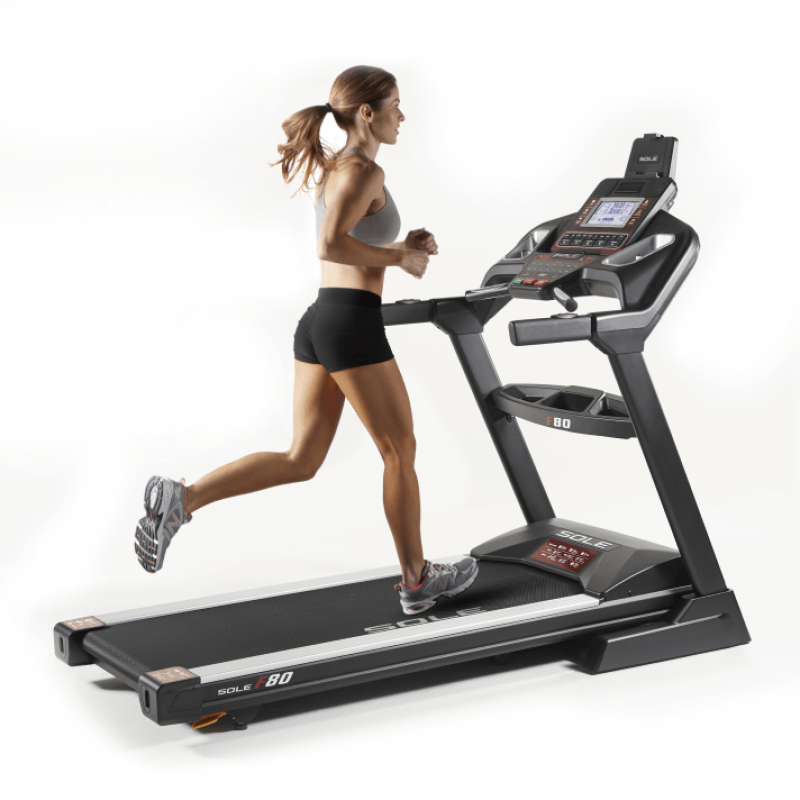


If you’re looking for a way to improve your cardiovascular health, lose weight, or simply stay active, a treadmill is a great option. Here are some tips for getting the most out of your treadmill walking routine:
- Start slowly: If you’re new to walking, start with a short workout and gradually increase the duration and intensity as you get fitter.
- Listen to your body: If you’re feeling pain, stop walking and rest.
- Stay hydrated: Drink plenty of water before, during, and after your walks.
- Wear comfortable shoes: Walking shoes should be supportive and provide good arch support.
- Set realistic goals: Start with a goal of walking for 30 minutes most days of the week, and gradually increase the duration and intensity as you get fitter.
With a little planning, you can use a treadmill to get the most out of your walking routine and reach your fitness goals.
Additional benefits of using a treadmill to practice walking at home:
- You can control the climate. If you live in a hot or cold climate, you can set the treadmill to a comfortable temperature. This can help you stay motivated to walk, even when the weather outside is less than ideal.
- You can track your progress. Most treadmills have built-in monitors that track your speed, distance, and calories burned. This can help you stay motivated and see your progress over time.
- You can watch TV or listen to music. Many treadmills have built-in entertainment systems that allow you to watch TV or listen to music while you walk. This can help you pass the time and make your workouts more enjoyable.
If you’re looking for a convenient, effective, and enjoyable way to practice walking at home, a treadmill is the perfect solution.


